Helpful Financial & Lifestyle Information Compiled by Martin Lombrano
Welcome to my blog page! My plan is to keep it current and share interesting and informative articles I come across, along with my own original thoughts on relevant financial issues and concerns, and anything else might be helpful to you.
If you have any subjects or ideas about anything you would like to know and think others could benefit from, let me know at martin@primaryadvisors.net
Enjoy!

January 2026
A Quick Heads‑Up on New 401(k) Catch‑Up Rules
The IRS is rolling out a change in 2026 that affects how higher‑income savers make 401(k) catch‑up contributions. If you’re 50 or older and earned $150,000 or more last year, those extra contributions will now have to go into the Roth side of your plan. That means no upfront tax deduction, but it does open the door to tax‑free growth and tax‑free withdrawals later on once the Roth rules are met.
Regular contribution limits are still increasing, and there are a few smart ways to adjust—whether that’s leaning on HSAs, IRAs, or revisiting your broader savings strategy to keep everything aligned with your long‑term plan.
If you have any questions or would like to see how these new changes might benefit you, please contact me at martin@primaryadvisors.net
You can read the entire article here.
December 2025
A New Opportunity for Building Your Child’s Financial Future
I recently came across an article from Charles Schwab outlining the new Trump Accounts, created under the One Big Beautiful Bill Act (OBBBA). These accounts are designed specifically for children and combine features of both IRAs and 529 plans. Families can contribute up to $5,000 annually (indexed to inflation starting in 2028) until the child turns 18, with earnings growing tax-free. Contributions aren’t limited to parents—grandparents, relatives, employers, charities, and even government entities can participate. Notably, newborns between 2025 and 2028 will receive a $1,000 federal grant to kickstart their saving.
What makes these accounts compelling is their long-term growth potential. For example, consistent contributions invested wisely could grow into nearly $191,000 by age 18, and if converted to an IRA, could exceed $2 million by retirement age. While many details are still being finalized, this could be a valuable tool for families looking to build generational wealth, support estate planning, or simply give their children a strong financial foundation.
You can read the entire article here.


December 2025
Spenders vs. Savers: What Your Habits Say About Retirement and Happines
I recently came across a study from Jackson Financial that I think is a great think piece about the difference between “savers” and “spenders”. The study shows that whether you love to spend or prefer to save can have a big impact on your financial future and even your overall life satisfaction. Savers tend to budget for the long term, build more wealth, and feel more prepared for retirement, while Spenders often focus on enjoying the moment, which can lead to more debt and financial stress down the road.
Interestingly, these habits aren’t set in stone. Saver tendencies often grow with age and can be learned over time. The study also found that retirement readiness—not spending freely—is the real key to happiness later in life. Understanding your own mindset is crucial: Spenders may need more education and encouragement to see the value of planning, while Savers are usually more proactive.
If you would like to read the whole study, you can download it here from their website.
November 2025
An End-of-Year Market Update from Martin Lombrano
The year's winding down, but the markets sure are heating up. With the government now back in business and a LOT of delayed economic data due to hit soon, I'm expecting some pretty volatile action on Wall Street before year's end.
Take just a moment to watch this video and I'll fill you in on how we're already prepared for any impact to your portfolio.
August 2025
Not Everyone Needs the Same Financial Advice
I found this article in the Wall Street Journal about financial advice and getting the investments that fit your specific needs. It points out how many financial advisers often rely on standardized tools and assumptions that fail to capture the wide range of individual investor preferences. While traditional advice assumes most clients prefer liquidity, fear losses, and struggle to save, behavioral research shows that many people deviate from these norms. For example, some investors intentionally choose illiquid accounts to curb impulsive spending, while others are future-focused and may save excessively. Additionally, not all clients are loss-averse—some are even gain-seeking, making conventional risk assessments inadequate.
The article argues for a more personalized approach to financial planning, and that's exactly what we deliver at Primary Advisors. We look beyond one-size-fits-all models and instead identify and accommodate unique client traits—such as preferences for illiquidity, future bias, or low sensitivity to losses. We differentiate ourselves from other firms by using the 3-Bucket Wealth Strategy as well as the Nitrogen risk tolerance questionnaire.
Using both, we customize your planning and asset management to include:
- Your liquidity in Bucket One
- Your loss aversion using Nitrogen risk assessment
- A Fiduciary Standard of Care to all of your wealth and earnings
You can read the entire article here.


“To prevail over this chaos, you must think clearly at a time when many investors—and policymakers—are an emotional mess.”
April 2025
It's Time to Think Clearly
President Trump's new tariffs are shaking up global markets, and investors are feeling the heat. This situation is pretty unique, and it's causing a lot of stress and fear, making it hard for people to think straight and make good decisions.
A recent article in the Wall Street Journal had a great take on the situation, and suggest a "decision pyramid". That means starting with easy, low-risk actions like tightening your budget and doing some tax-loss harvesting. Next, consider things that might cause a bit of regret, like taking dividends as cash or rebalancing your portfolio. Avoid high-risk moves like selling all your stocks or betting big on a market rebound unless you really have to.
The key is not to overreact. Focus on simple, low-risk steps first to avoid future regret and don't make drastic changes based on short-term market swings. History shows that markets eventually bounce back as logic wins out over time.
In the end, the article advises staying calm, making smart decisions, and avoiding extreme reactions to the unpredictable market and political landscape.
If you'd like to read the complete article and happen to subscribe to the Wall Street Journal, click here.
March 2025
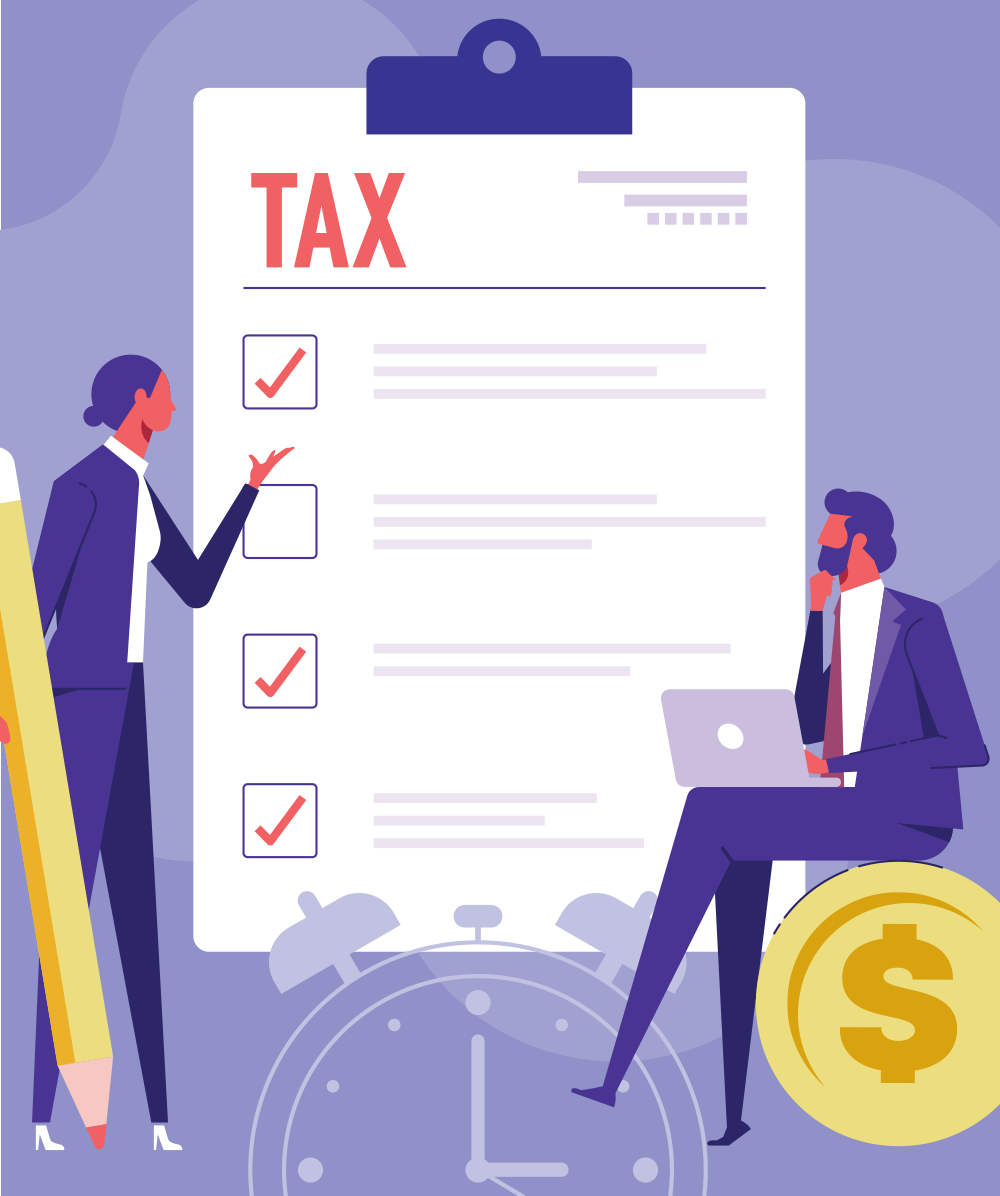
10 Tax-Planning Strategies to Maximize Your Savings
It’s tax season again, and if you find yourself owing Uncle Sam more than you’d like for either yourself or your business, there are ways that may help you lower your tax bill for 2025. Tax planning should be an essential part of your overall financial strategy. Here are 10 tax-planning strategies that can help you minimize your tax burden and maximize your wealth-building opportunities in the coming year.
- Tax Diversification
It’s important to have a mix of taxable, Roth, and pre-tax retirement accounts to give you flexibility in retirement. This diversification allows you to adjust your withdrawals based on tax rates and your income needs, helping you manage your tax liabilities more effectively in retirement.
- Roth Conversions
With tax rates expected to rise after 2025, now is a great time to consider converting traditional IRA funds to Roth IRAs. By paying taxes on the converted amount now, you can potentially save on taxes later, as Roth IRAs provide tax-free growth and withdrawals in retirement.
- Capital Gains and Loss Management
Strategically managing your capital gains and losses can significantly reduce your tax liability. By offsetting gains with losses (tax-loss harvesting), we can minimize the impact of taxable capital gains, helping you keep more of your returns.
- Review Employee Benefits
Take full advantage of your employer-sponsored benefits, including 401(k) contributions, Health Savings Accounts (HSAs), and Flexible Spending Accounts (FSAs). By maximizing these contributions, you reduce your taxable income and prepare for both short-term and long-term financial goals.
- Maximize Retirement Contributions
Make sure you’re contributing the maximum allowable amounts to retirement accounts like 401(k)s and IRAs. This will not only reduce your taxable income but also set you up for a more financially secure retirement, especially if you're able to take advantage of catch-up contributions if you're over 50.
- Health Savings Accounts (HSAs)
If you're eligible for an HSA, this account offers a triple tax benefit—contributions are tax-deductible, the money grows tax-free, and withdrawals for qualified medical expenses are also tax-free. HSAs are a great way to reduce your current tax bill while saving for future healthcare costs in retirement.
- Advanced Distribution Planning
For those with significant retirement savings, it’s critical to develop an advanced distribution strategy. By planning the order and timing of withdrawals from different accounts, we can manage your tax brackets and minimize the impact of taxes on your retirement income.
- Consider Annuities
Annuities, particularly Qualified Longevity Annuity Contracts (QLACs), can help you defer taxes and secure a guaranteed income stream for retirement. This strategy may be especially beneficial in a low-interest-rate environment, providing tax-deferred growth while ensuring you don’t outlive your savings.
- Smart Charitable Giving
If charitable giving is a priority for you, we can explore strategies like donating appreciated assets or establishing a donor-advised fund (DAF). These methods allow you to reduce taxable income while making a meaningful impact on causes you care about, all while potentially avoiding capital gains taxes on the appreciated assets.
- Estate Planning
Estate planning is not just for the ultra-wealthy — it’s essential for anyone who wants to leave a legacy and minimize estate taxes. By using tools like annual exclusion gifts and setting up trusts, we can ensure your wealth is passed on to your heirs with minimal tax liability, protecting your family's financial future.
By implementing these strategies, you can take control of your financial future and reduce your tax burden for 2025 and beyond. If you have any questions or would like to discuss these strategies in detail, please don’t hesitate to reach out.
January 2025
Financial Regrets and Wisdom of Americans Over 80
I love this article from the Wall Street Journal, about the things that retirees wish they had known about and prepared for when they were younger. Here's a summary but if you'd like to read the entire article I've attached a link below.
- Prevalent Regrets: Many individuals over 80 express regret over inadequate savings for retirement, poor investment decisions, and mismanagement of debt, impacting their financial stability and comfort in later years
- Importance of Financial Education: Seniors highlight a lack of financial literacy during their younger years as a significant contributor to their regrets, emphasizing that better understanding of personal finance would have led to more informed choices.
“A good financial person is advisable and will more than earn their fee,” he said. “I should have engaged a financial planner sooner.”- Bob Grice, age 83
Key Insights: Life experiences have taught this demographic valuable lessons, including the importance of living within one's means, diversifying investments, and preparing for unforeseen expenses.
- Advice for Younger Generations: Older adults advise younger people to prioritize early savings, seek professional financial advice, and approach debt with caution to avoid similar financial pitfalls.
- Resilience and Reflection: Despite their regrets, many seniors maintain a positive outlook on their financial journeys, valuing relationships and life experiences over material wealth, and recognizing their ability to adapt and overcome challenges.
You can read the entire article here.


"As Baby Boomers age, a significant number of Americans are retiring, with about 4.1 million projected to turn 65 annually from 2024 through 2027. That is about 11,000 boomers per day retiring."
December 2024
ETFs Can Be a Retirement Game Changer
Exchange-traded funds (ETFs) have become a popular investment choice for pre- and post-retirees due to their ability to align with various risk tolerances and diversification needs with a minimum of expense. As Baby Boomers age, a significant number of Americans are retiring, with about 4.1 million projected to turn 65 annually from 2024 through 2027. That is about 11,000 boomers per day retiring.
ETFs offer retirees access to a variety of investment themes, including equity ETFs optimized for dividend yields-generate a return via a dividend regardless of stock performance, bond ETFs yielding interest on government and corporate debt, and those modeled on broader indices like the S&P 500 or with international exposure. Some ETFs also include built-in hedging strategies to guard against downside risk.
Financial experts emphasize the best ETFs for both pre- and post-retirees depend on individual situations, including overall investment allocation, time horizon, and risk tolerance. For example, retirees with a higher risk tolerance and longer time horizon might invest in growth-oriented ETFs, while those needing immediate income might prefer income-oriented investments. Generally, moving from a growth strategy to a protection strategy can occur the closer an investor get to actually retiring or shifting their income from a paycheck to their assets.
Popular ETFs include SPDR Portfolio S&P 500 High Dividend ETF (SPYD), Vanguard Dividend Appreciation Index Fund ETF Shares (VIG), and iShares Select Dividend ETF (DVY), which are used for their dividend-paying potential. Additionally, buffered ETFs, which offer downside protection, are highlighted to participate in growth opportunities while mitigating risk.
Overall, its importance to have a personalized investment strategies for retirees, considering their unique financial goals and risk profiles.
October 2024
How the Wealthy Stay Wealthy
I recently came across a great article (it's a couple years old but everything still holds true) from Business Insider about some financial steps wealthy people take to remain wealthy. In a nutshell:
They are very disciplined saving money: Most wealthy individuals are not high-income earners but disciplined savers who consistently invest in 401(k)s and brokerage accounts.
They take advantage of comprehensive financial planning: Wealthy people have a detailed financial plan that includes budgeting, insurance, estate planning, taxes, employer benefits, and investing.
They are long-term investors: They focus on long-term investments rather than trying to time the market, aiming for steady growth over time.
They plan for retirement: They actually over-plan for retirement, using a life expectancy of 96 to ensure they don’t run out of money.
They know their tax advantages: Reducing taxes is a critical part of their financial strategy, including taking advantage of tax breaks and charitable giving to lower taxable income..
You can read the entire article here.
Take the First Step Toward Your Ensuring Your Legacy
Don't leave your financial future to chance. Schedule a free consultation with one of our retirement planning experts today.